
Bangkok Beyond Tourism: What It’s Really Like to Teach and Live Here
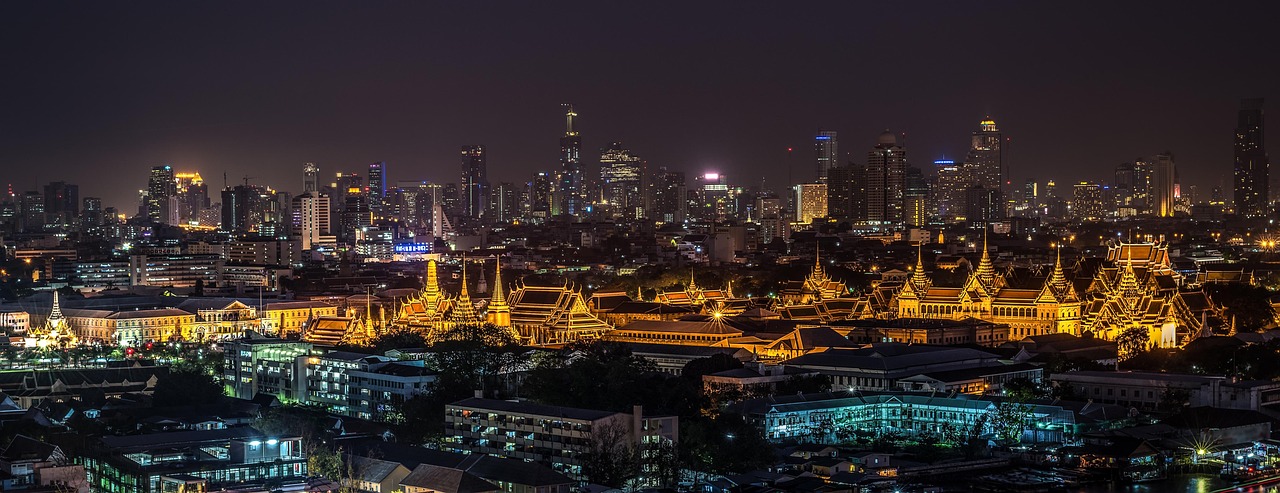
Everyone knows Bangkok as a tourist destination—the Grand Palace gleaming in the sun, tuk-tuks weaving through traffic, pad thai sizzling on every corner. But what happens when the vacation ends and real life begins? When you’re not just visiting temples but commuting past them on your way to work?
Living and teaching in Bangkok means discovering a city that exists between the guidebook highlights. It’s one of Asia’s largest urban centers—a sprawling metropolis where millions of people navigate an urban maze that somehow works, despite appearing chaotic to newcomers. It’s finding quiet corners in one of the continent’s busiest capitals. And yes, it’s accepting that your morning coffee might take longer than your evening commute—depending on which direction you’re heading.
This isn’t the Bangkok from travel blogs. This is the city where a large and growing expat community has built actual lives—careers, friendships, routines. Here’s what that looks like.
A Day in the Life: Teaching in Bangkok
The city is still half-asleep when your alarm goes off. Outside, the first light catches the temple spires down the street—a view you’ve stopped photographing but never stopped noticing. You grab Thai iced coffee from the cart downstairs. The vendor smiles before you even order. She’s known your drink for months now.
The MRT arrives reliably, air-conditioned relief from the humidity already building outside. You’ve learned which car to board for the quickest exit at your stop. Small victories that make you feel like you belong here.
At school, the morning assembly bell rings and students flood into the courtyard. They stand for the national anthem, uniforms crisp despite the heat. Then comes your favorite moment—walking to class while a chorus of “Good morning, Teacher!” follows you down the hallway. Some days, the smaller kids run up for hugs. You didn’t expect that part.
Your classes mix chaos with magic. Forty students asking questions at once, practicing pronunciation, occasionally making you laugh with answers you never saw coming. One kid draws you as a superhero in his notebook. Another finally nails the “th” sound after weeks of trying. These moments stick with you.
Lunch happens in the canteen, surrounded by Thai teachers who’ve become friends. They teach you slang that makes students giggle. They share food from home. They text you on weekends to check in.
After school, the city opens up. Maybe you tutor a private student at a café while the afternoon light slants through the windows. Perhaps you meet friends for street food, eating on plastic chairs while motorbikes buzz past. The evening belongs to you—lesson planning with a view from your balcony, the city lights coming on one by one as the sun sets behind the skyline.
This is the rhythm. Not glamorous, not always easy. But there’s something here that office jobs rarely offer—the sense that your work matters, that your students will remember you, that the city keeps revealing new layers every time you think you’ve figured it out.
The Bangkok Tourists Never See
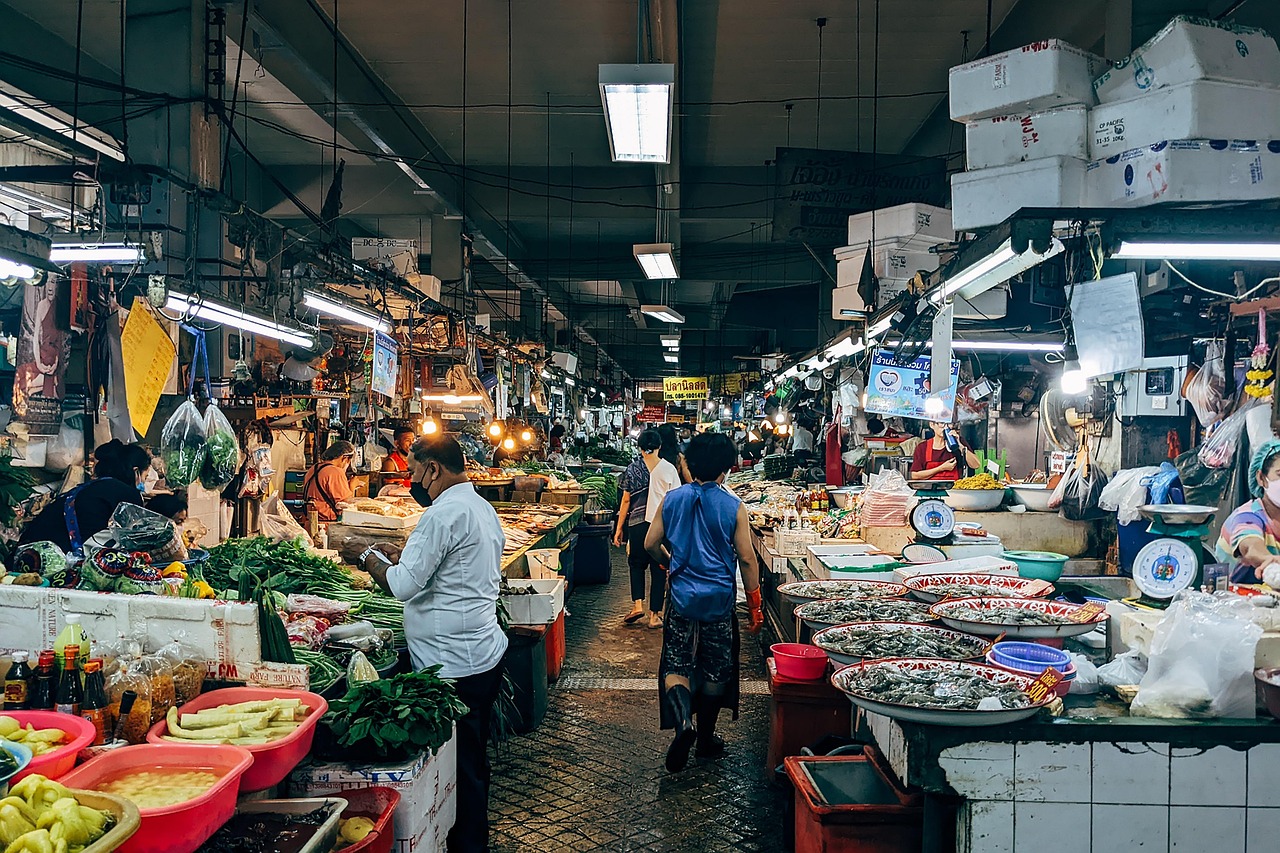
At 5:30 AM, while tourists sleep off last night’s Khao San Road adventures, a different Bangkok emerges. Monks in saffron robes walk silently through residential neighborhoods collecting alms. Office workers gather at local markets—not the tourist-friendly ones with English menus, but the places where vendors remember your usual order.
Trok Mor market in the old town operates only in the early morning hours. You won’t find it in guidebooks, but teachers living nearby know it as the place for authentic breakfasts and fresh fruit. Khlong Toei wholesale market—the city’s largest—supplies restaurants across Bangkok, and early birds can experience the controlled chaos of a city feeding itself.
This is the Bangkok where teachers live. Where your neighborhood auntie sells the best som tam you’ve ever tasted, but only during lunch hours because she’s picking up her grandchildren from school after that. Where the security guard at your condo building teaches you Thai phrases during slow evening shifts. Where life operates on relationships, not transactions.
Neighborhoods Where Teachers Actually Live
Forget Sukhumvit’s tourist strips. Here’s where teachers build their Bangkok lives—areas chosen for affordability on a teacher’s salary, easy commutes via BTS or MRT, and existing communities that make settling in smoother.
On Nut / Phra Khanong
Several stops past the tourist zone on the BTS Sukhumvit Line, On Nut represents the sweet spot for most teachers. Modern condos with pools and gyms sit alongside genuine Thai neighborhood character—morning markets, street food vendors, and local restaurants. Western amenities like Lotus’s and Villa Market are nearby, plus a growing café scene. Direct BTS access means you’re a quick ride from central Bangkok without paying central Bangkok prices.
Ari
North of the main tourist areas, Ari has become a favorite among teachers who prioritize quality of life over nightlife access. Tree-lined streets, independent cafés, boutique shops, and a strong sense of community make it feel like a small town within the megacity. The neighborhood attracts young Thai professionals and creative types, making it easier to build friendships beyond the expat bubble.
Victory Monument
This transportation hub connects BTS, buses, and minivans to virtually everywhere in Thailand. Teachers based here can reach most schools within 30 minutes. The buildings are older and simpler, but the location is unbeatable. The surrounding streets offer some of the best cheap eats in Bangkok—a serious consideration when you’re eating out most meals.
Bang Na
Further along the Sukhumvit Line, Bang Na offers the most space for your money. Teachers here often have apartments significantly larger than those in central Bangkok. The trade-off is a longer commute and fewer walkable amenities, but the area is developing rapidly and offers proximity to the airport for frequent travelers.
Ladprao / Ratchada / Rama 9
The MRT Blue Line runs through this corridor, opening up neighborhoods that were once harder to reach. Ratchada has developed into a vibrant hub with shopping centers, popular night markets, and a growing food scene. Rama 9 offers modern condos clustered around major malls—popular with young professionals who want newer buildings at reasonable prices. Ladprao provides more residential calm while staying connected. Teachers in this area enjoy easy access to Chatuchak—one of the world’s largest weekend markets.
Wongwian Yai / Talat Phlu (Thonburi Side)
Cross the river and prices drop while authenticity increases. The BTS Silom Line extension serves this area, making commutes manageable while keeping you in genuinely local neighborhoods. Morning markets, decades-old shop-houses, and street food that hasn’t been discovered by Instagram yet. Teachers here often report feeling more immersed in Thai culture—fewer foreigners, more opportunities to practice the language, and neighbors who actually know your name.
Finding Calm in Chaos
Bangkok’s reputation for chaos is well-earned, but teachers who thrive here learn to find pockets of peace. The city contains more green space than most visitors realize—you just need to know where to look.
Lumpini Park
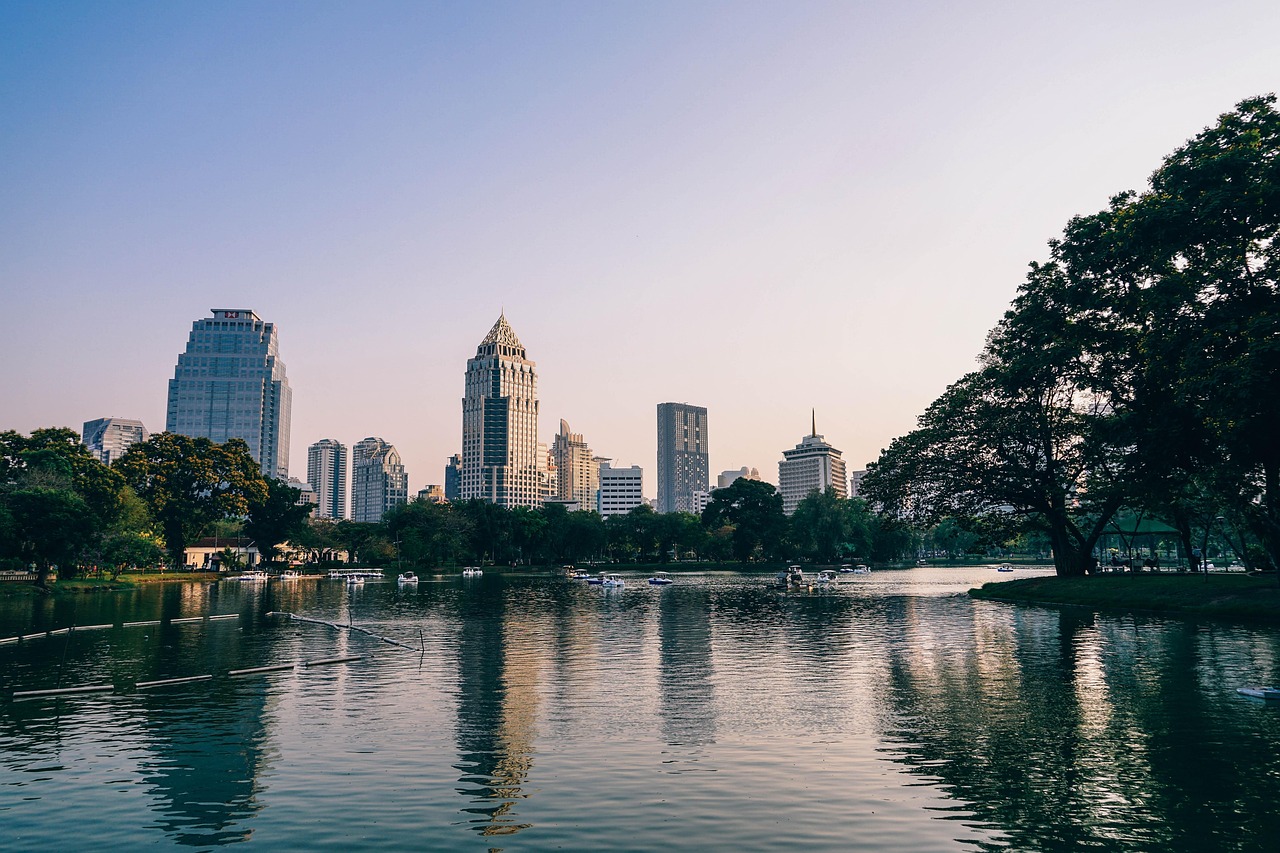
Bangkok’s answer to Central Park opens at 4:30 AM—and at that hour, it’s magical. Tai chi practitioners move through synchronized forms. Joggers circle the main loop. And yes, massive monitor lizards sun themselves by the lake, prehistoric reminders that nature persists even in megacities. Accessible from Lumpini MRT or Sala Daeng BTS, making it an easy escape during lunch breaks or after work.
Benchakitti Forest Park
Bangkok’s major green space features elevated walkways through wetland ecosystems, offering skyline views that feel impossibly tranquil given the skyscrapers visible in every direction. A pedestrian bridge connects it to Lumpini Park, creating a continuous green corridor through the city center. Access from Queen Sirikit MRT or Asoke BTS.
Dusit Arun at Dusit Central Park
One of Bangkok’s newer landmarks—a large urban park development that offers panoramic views and connects to the surrounding green spaces. The park provides a welcome escape from the CBD’s intensity. Accessible from Sala Daeng BTS or Silom MRT area.
Temple Spaces
While tourists crowd the Grand Palace and Wat Pho, teachers discover neighborhood temples where courtyards offer genuine tranquility. Wat Suthat, near the Giant Swing, sees a fraction of the visitors but contains equally impressive architecture. Wat Ratchaorasaram in Thonburi provides riverside peace away from the tourist circuits. These spaces aren’t just for sightseeing—they’re living community centers where locals come to pray, meditate, and escape the heat.
Getting Around Like a Local
Bangkok’s transportation network has expanded dramatically in recent years, and teachers who master it gain hours back in their week.
Rail Network: BTS, MRT, and Airport Link
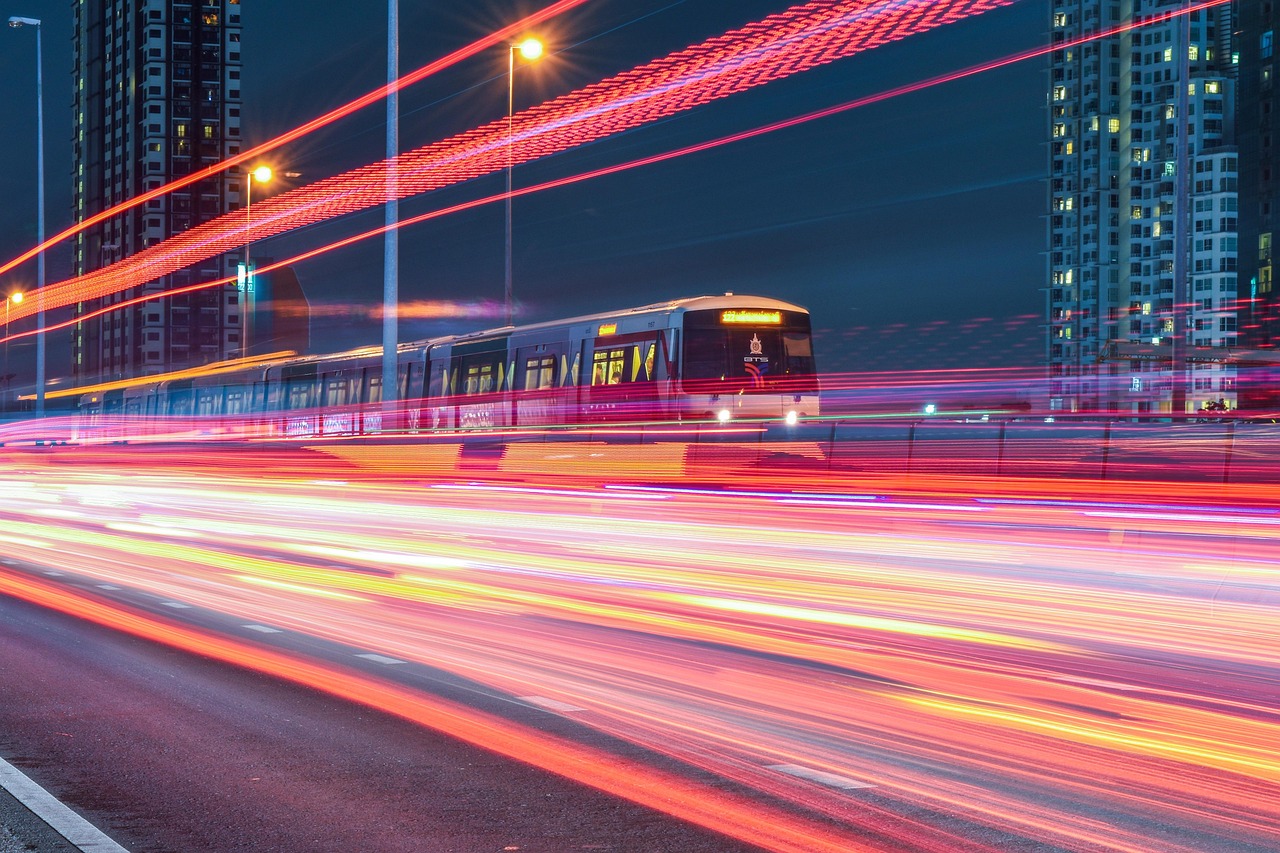
The combined rail network—BTS Skytrain, MRT subway, and Airport Rail Link—continues to expand, covering major corridors across the city with new extensions opening regularly. During rush hour, trains arrive every few minutes. Apps like “BKK Rail” help navigate connections between different lines. Living near a station changes everything about your Bangkok experience.
Motorcycle Taxis
Those drivers in orange vests waiting at every BTS exit? They’re motorcycle taxis, and they’re the secret to navigating Bangkok’s “last mile” problem. You have two options: flag one down directly and negotiate the price before getting on, or book through apps like Grab or Bolt, where the fare shows upfront, often with promotions. Yes, weaving through traffic on the back of a motorcycle takes some getting used to, and it’s not for everyone—always wear the helmet provided. But after a few rides, many teachers wonder how they ever lived without them.
Chao Phraya Express Boats
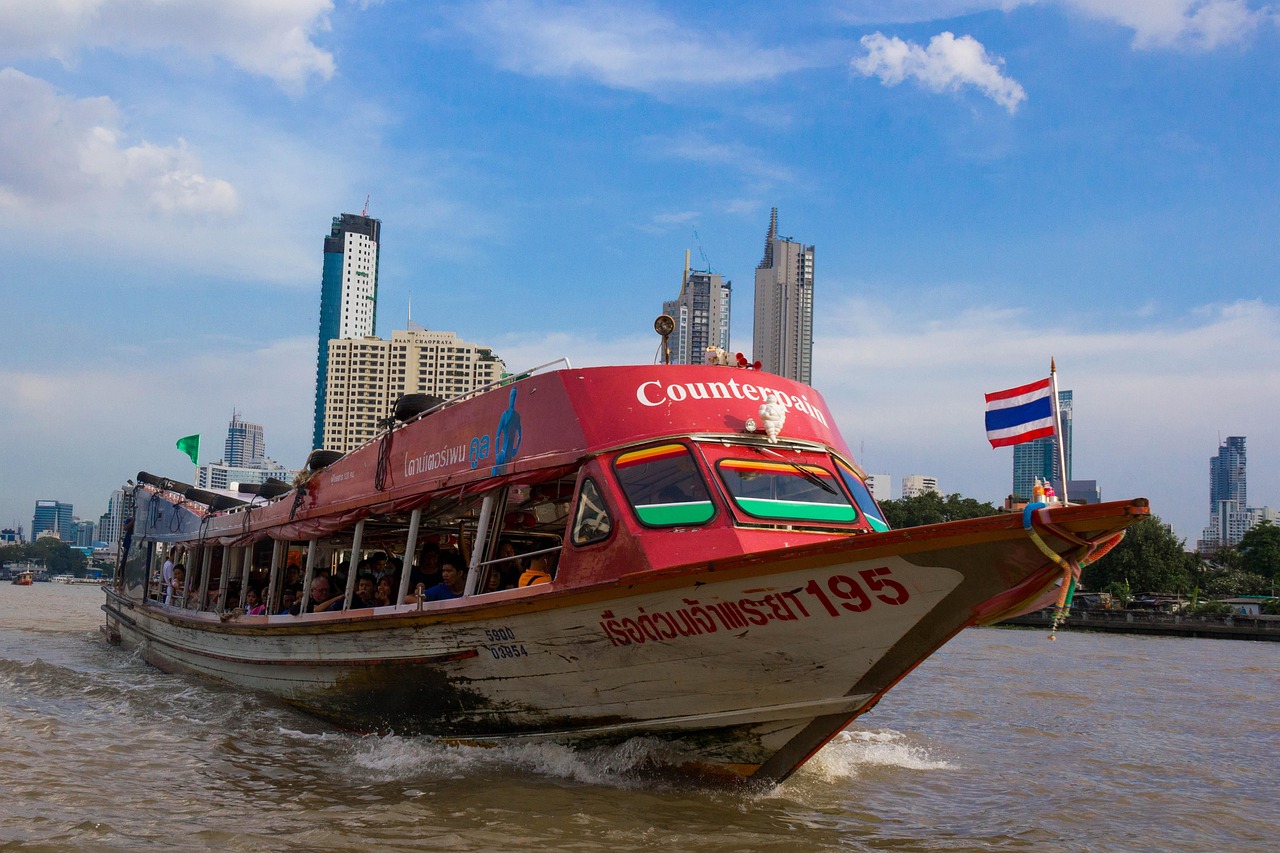
The river boats remain one of Bangkok’s best transportation secrets. The orange flag boats run the full route at a flat fare—often faster than street traffic during rush hour. The route passes major landmarks and connects to the BTS at Saphan Taksin station. Teachers heading to schools in Thonburi or the old town swear by this commute option.
Khlong Saen Saeb Canal Boats
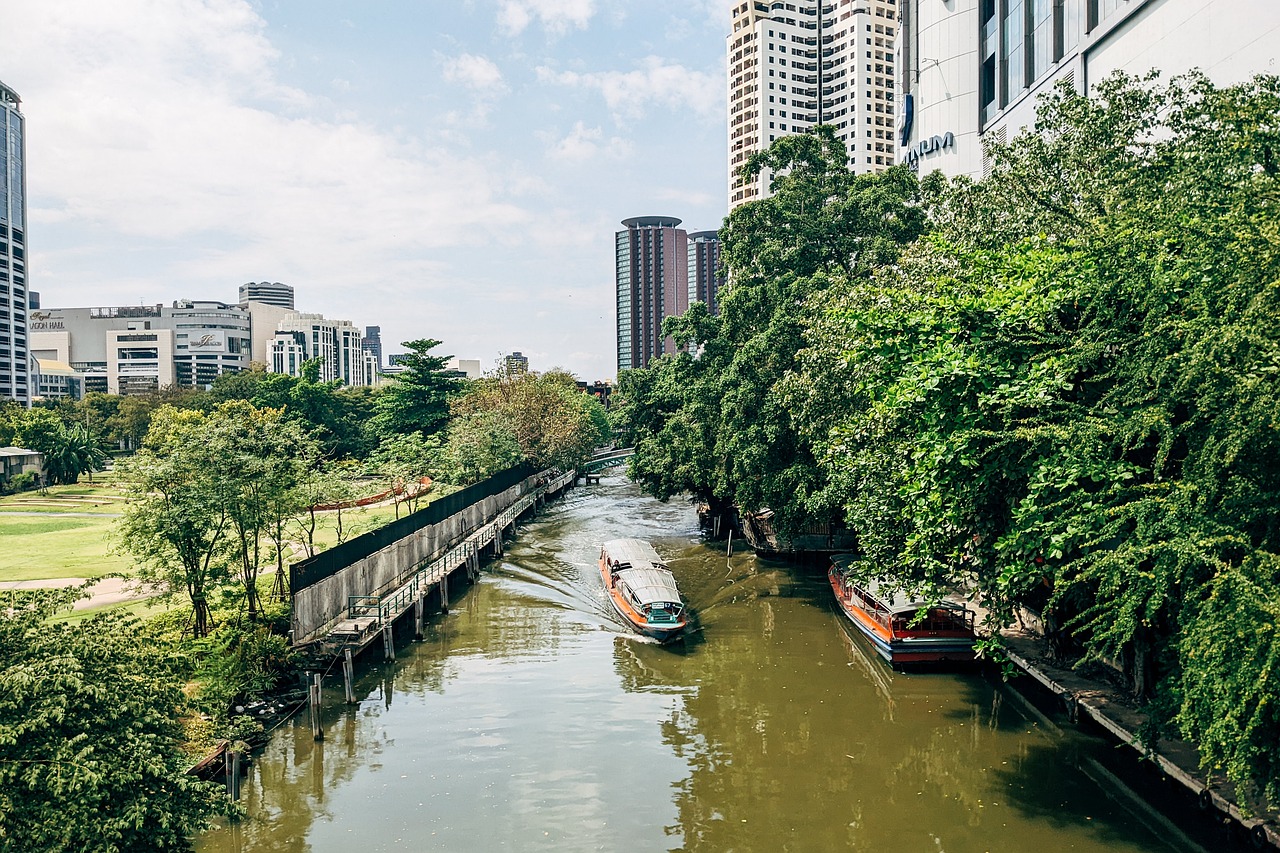
These canal boats cut across central Bangkok, connecting areas that would take forever by road. The experience is authentically local—splash guards exist for a reason—but it’s hard to beat for east-west travel. Operating from early morning until evening.
What Teachers Love About Bangkok
Job Opportunities
Bangkok contains more teaching positions than any other city in Thailand—government schools, private language centers, bilingual programs, international schools, and corporate training roles. Competition exists, but so does variety. Teachers can often find positions that match their preferences for age group, schedule, or teaching style.
Built-in Social Network
With a large and diverse expat community calling Bangkok home, you’re never far from others who understand the experience. Facebook groups, sports leagues, language exchanges, and professional networks make it easy to build social connections.
Our TEFL participants often find their first friends during training week, before they even start teaching. Learn more about our program →
Many teachers find their social circles naturally split: expat friends who understand the cultural adjustment, and Thai friends who provide deeper cultural immersion. The city is big enough that you can find your people—whatever “your people” means to you.
Weekend Escape Options
The region’s two airports—Suvarnabhumi for international and full-service carriers, Don Mueang for budget airlines—connect to beaches, islands, and mountains throughout Asia. Teachers can catch weekend flights to Chiang Mai, Phuket, or destinations across Southeast Asia when they want a quick escape. Weekend trips to Hua Hin, Kanchanaburi, or the coast don’t even require flights—just a minivan from Victory Monument or Mo Chit.
Modern Conveniences
Miss Western groceries? Tops, Villa Market, and Gourmet Market stock everything from familiar cereals to craft beer. Need quality healthcare? Bangkok’s international hospitals are among the most advanced in Southeast Asia. Internet speeds in most condos are reliable and fast, with fiber connections widely available. Bangkok has figured out how to be both authentically Thai and globally connected.
What Teachers Find Challenging
Traffic
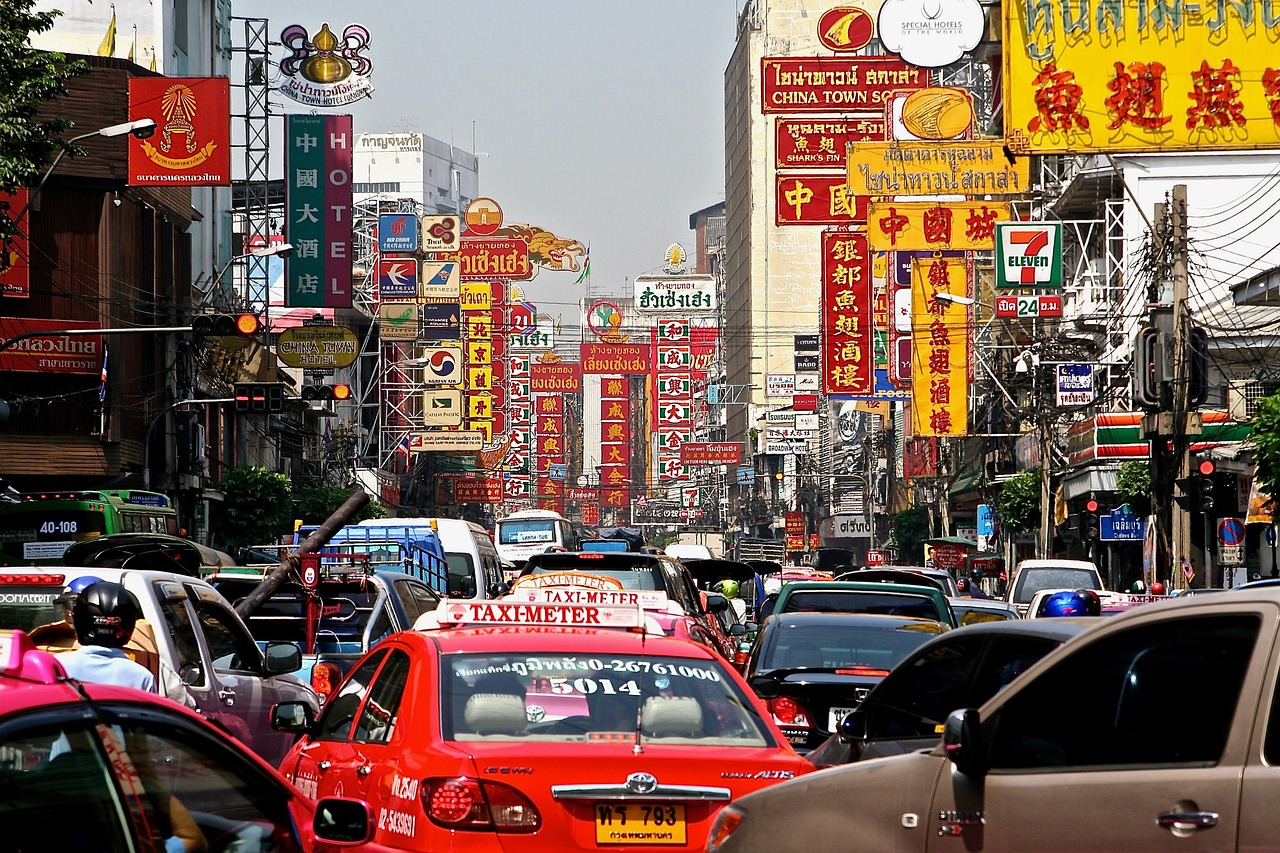
Let’s not sugarcoat it: Bangkok traffic during rush hours can be brutal. A trip that takes 15 minutes early in the morning might take significantly longer during peak commute times. Smart teachers choose apartments near rail lines or walk to work—the commute factor matters more here than almost anywhere else.
Air Quality
During certain months—typically around the dry season—air pollution can spike due to stagnant weather conditions and accumulated emissions. Timing and severity vary year to year. On bad days, teachers with respiratory sensitivities feel it. Many long-term expats invest in air purifiers for their apartments and check air quality apps before outdoor exercise. Other parts of the year are significantly better, but it’s a real consideration.
Cost of Living (Relative to Thailand)
Bangkok costs more than anywhere else in Thailand—that’s the trade-off for having everything at your fingertips. But “expensive for Thailand” is still remarkably affordable by Western standards.
Here’s the reality: you probably won’t save as much as teachers in smaller cities. Your rent will be higher, your weekend brunches will add up, and the convenience of Grab delivery becomes a habit that shows up on your bank statement. But most teachers on standard salaries still live comfortably—eating well, going out, traveling on weekends—without feeling financially stressed.
The math works differently here than in Chiang Mai or the south. You’re paying for options, not just survival. Whether that trade-off makes sense depends on what you value.
Initial Overwhelm
The first few weeks in Bangkok can feel like sensory overload. The heat, the noise, the unfamiliar language, the density of everything—it’s a lot. Almost every teacher who loves Bangkok now will admit to moments of doubt in those early weeks. The adjustment is real, but it passes. By month two, most teachers can’t imagine being anywhere else.
Who Bangkok Is (and Isn’t) For
Bangkok might be right for you if you:
- Thrive on energy and variety—the endless options excite rather than exhaust you
- Want maximum career flexibility—the ability to switch schools, try different age groups, explore corporate training
- Enjoy having a large, diverse expat community with people from every background
- Like the idea of weekend escapes to beaches and islands via budget flights
- Don’t mind paying more for the privilege of having everything at your fingertips
Bangkok probably isn’t for you if you:
- Crave quiet and a slower pace—the constant stimulation will wear you down
- Are sensitive to air pollution and heavy traffic
- Want deep immersion in local Thai life—the expat bubble here is easy to stay inside
- Prioritize savings over lifestyle—you’ll spend more here than anywhere else in Thailand
- Need nature in your daily life, not just on weekend trips
Ready to Experience Bangkok for Yourself?
Bangkok isn’t for everyone. It’s loud, it’s hot, and it requires adaptation. But for teachers who embrace it, this city offers a lifestyle that combines professional opportunity, cultural immersion, and genuine adventure in ways few other places can match.
If you’re curious about teaching in Bangkok—or anywhere in Thailand—we’re happy to answer your questions. No pressure, just honest information from people who know this country.
Questions? Email us at info@workandtravelasia.org
We respond within 24 hours.

