
Chiang Mai: Teaching in Thailand’s Cultural and Creative Hub
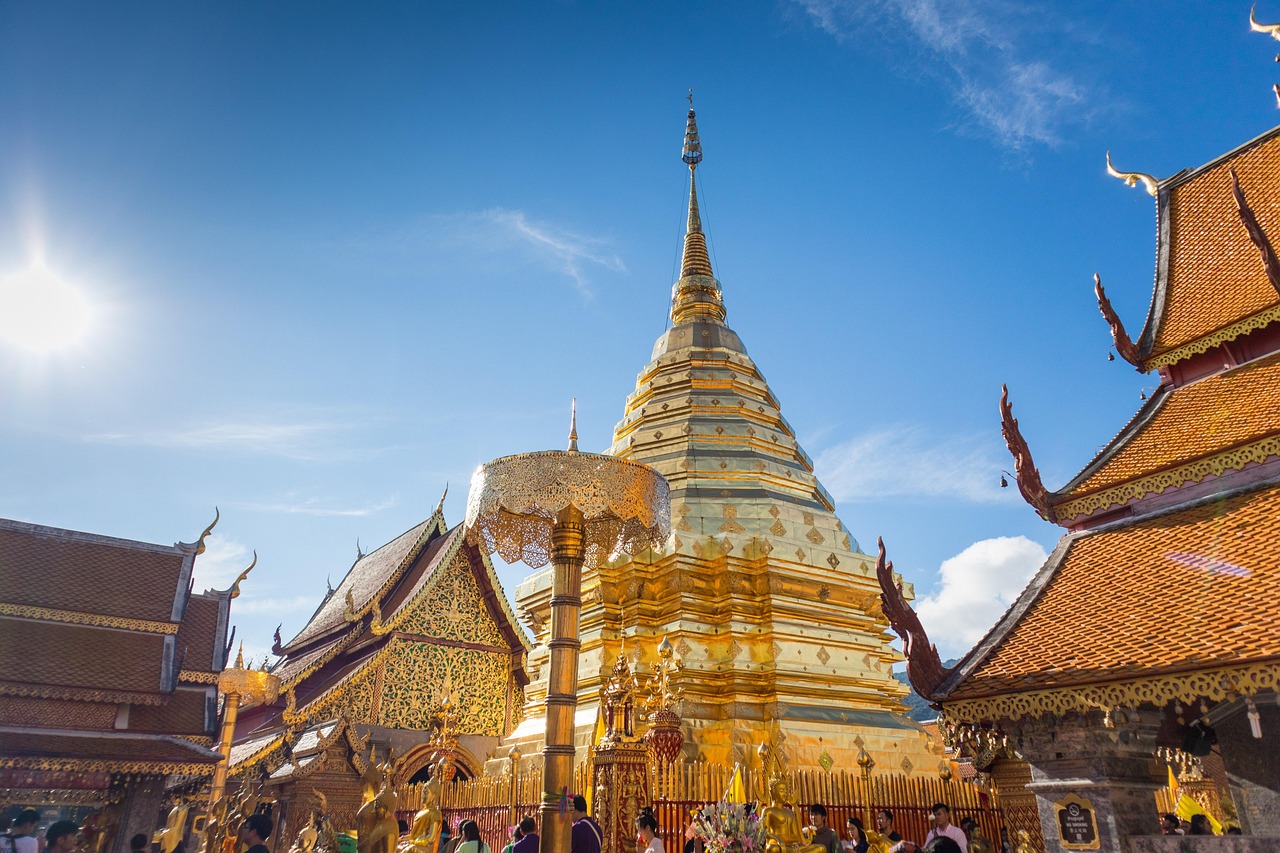
There’s a running joke among Chiang Mai teachers: “I came for six months. That was three years ago.”
Something about this city makes people stay. It’s not just the mountains rising in every direction or the ancient temples tucked into quiet corners. It’s the way life here moves at a pace that actually allows you to live it. The cost of living lets you save money while still enjoying yourself. The creative energy that draws artists, entrepreneurs, and dreamers from around the world.
Chiang Mai isn’t Bangkok’s quieter cousin—it’s a completely different experience. Where Bangkok overwhelms and excites, Chiang Mai invites and settles. Teachers who thrive here aren’t escaping city life; they’re choosing a different version of it.
More Than Temples and Mountains
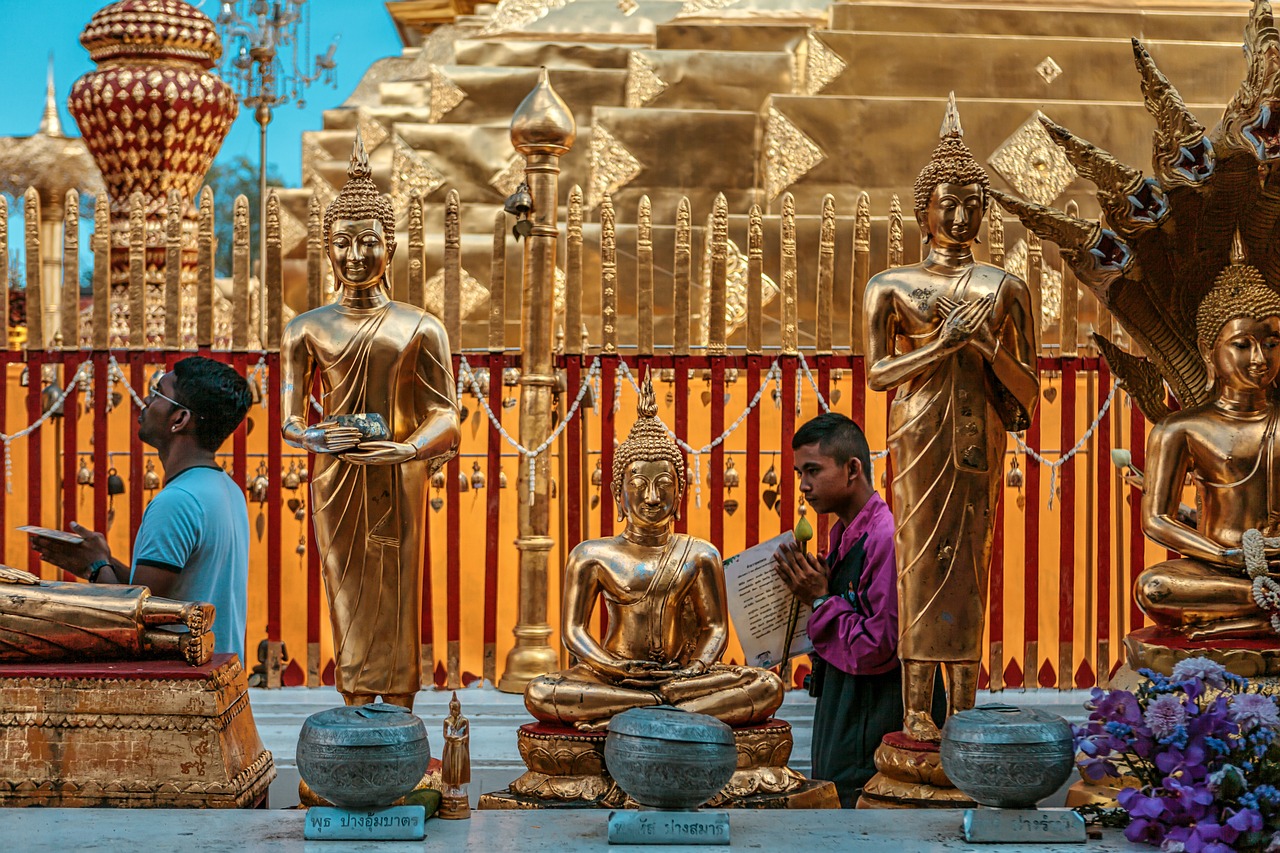
Yes, Chiang Mai is often cited as having hundreds of temples. Yes, Doi Suthep rises dramatically on the western horizon. But reducing this city to its postcard images misses what actually makes it remarkable for long-term residents.
Chiang Mai has quietly become Thailand’s creative capital. Graphic designers, photographers, writers, and artists have established studios here, drawn by affordable rent and inspiring surroundings. Co-working spaces dot the Nimmanhaemin area, filled with digital nomads building businesses from their laptops. Local artisans blend traditional Lanna craftsmanship with contemporary design, creating a scene that feels both rooted and innovative.
The café culture here rivals anywhere in Asia. Not just for Instagram aesthetics—though those exist—but for genuine third places where people work, meet, and build community. A teacher’s afternoon might involve lesson planning at a specialty coffee shop that wouldn’t feel out of place in Melbourne or Portland, followed by dinner at a family-run restaurant where the owner remembers your usual order.
This creative energy shapes the teaching experience, too. Many teachers find that schools here tend to be smaller and more experimental than Bangkok’s larger institutions. Teachers often find more flexibility in their classrooms, more willingness to try new approaches, and colleagues who chose Chiang Mai for the same reasons they did.
The Old City and Beyond
Chiang Mai is compact enough to bike across comfortably, yet each neighborhood has its own distinct character. Where you live shapes your daily experience in ways that matter.
The Old City (Within the Moat)
The square kilometer bounded by ancient walls and a moat remains the spiritual heart of Chiang Mai. Temples appear around every corner—some famous, most quietly beautiful. Guesthouses and cafés occupy traditional wooden buildings. The Sunday Walking Street transforms Ratchadamnoen Road into the region’s largest open-air market.
Living inside the moat means waking to temple bells and morning alms rounds. It’s atmospheric and conveniently located near everything, but the tourist presence can feel overwhelming during high season. Teachers here often love the first few months, then gradually migrate outward as they crave more local neighborhood life.
Nimmanhaemin (Nimman)
The trendiest neighborhood in Chiang Mai runs along a grid of sois (side streets) west of the old city. Each soi has developed its own personality—one dominated by Korean restaurants, another by design studios, another by late-night bars. The Maya Lifestyle Shopping Center anchors the area with air-conditioned relief and a cinema showing English-language films.
Nimman is where digital nomads congregate, where new restaurants open regularly, and where rents are highest in Chiang Mai (though still reasonable by any Western standard). Teachers who prioritize social life and modern amenities often land here. The trade-off is a more international, less traditionally Thai atmosphere.
Santitham
North of the old city, Santitham offers the sweet spot many teachers eventually discover: close enough to walk or bike to Nimman’s amenities, affordable enough to get a proper apartment, and local enough to feel like you actually live in Thailand. The neighborhood has its own collection of excellent cafés and restaurants, mostly frequented by residents rather than tourists.
Santitham connects easily to schools throughout the city while maintaining genuine neighborhood character. The morning market near Santitham intersection provides fresh produce at local prices. This is where teachers who plan to stay tend to settle.
Chang Phueak
The area around the north gate (Chang Phueak Gate) has developed a reputation for some of the best street food in Chiang Mai. The nightly food stalls outside the gate draw locals and food-obsessed visitors alike. Teachers living here enjoy easy access to everything while staying in a distinctly Thai environment.
The neighborhood stretches north along Chotana Road, becoming increasingly local and affordable as you move away from the old city. Several language schools and smaller educational institutions operate in this area, making it practical for teachers placed at nearby schools.
The Weekly Rhythm
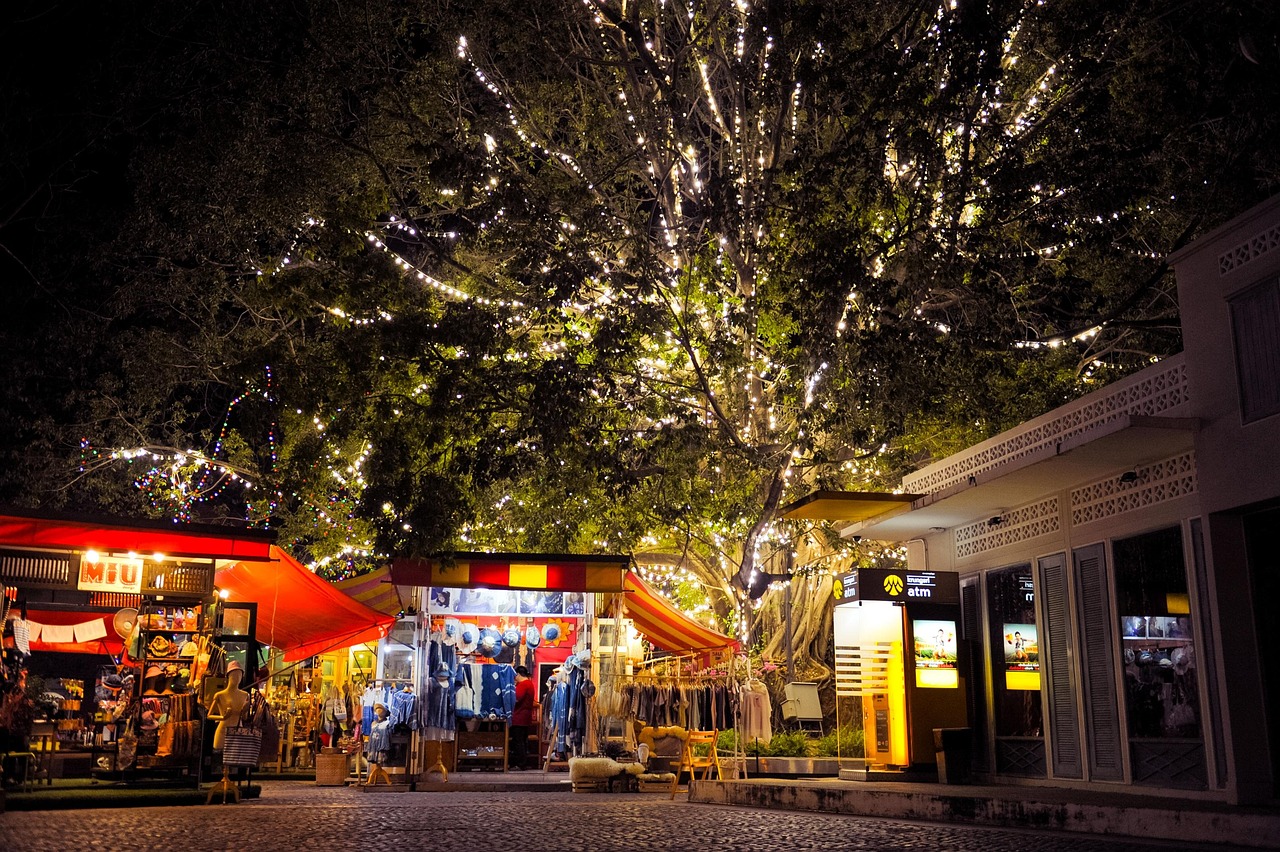
Life in Chiang Mai follows a weekly pattern that structures how residents experience the city. Understanding this rhythm helps newcomers settle in faster.
Sunday: Walking Street
Every Sunday from late afternoon until around 10 PM, Ratchadamnoen Road through the old city transforms into one of Thailand’s most famous markets. Thousands of vendors sell handmade crafts, clothing, art, and food. Local musicians perform at intersections. Temple courtyards become food courts serving regional specialties.
For teachers, Sunday Walking Street serves different purposes depending on how long you’ve lived here. First month: overwhelming sensory adventure. Third month: great place to buy gifts and discover new food stalls. Sixth month: you know exactly which vendors to visit and which sections to skip. Eventually, you’ll bring visiting friends and family, seeing the market fresh through their eyes.
Saturday: Wua Lai Night Market
The Saturday market along Wua Lai Road, south of the old city, draws fewer tourists than Sunday’s famous counterpart. Many long-term residents actually prefer it—similar quality, less crowded, and located in a neighborhood known for traditional silversmithing. The street food options rival or exceed Sunday’s market.
Weekdays: Local Markets
While weekends belong to the walking streets, weekdays reveal how locals actually shop. Warorot Market (Kad Luang) near the Ping River operates daily, selling everything from fresh produce to northern Thai ingredients you won’t find elsewhere. The Chiang Mai Gate market in the morning serves excellent khao soi—though everyone has their own favorite spot.
Teachers quickly develop their own weekly routines: Tuesday evening yoga, Wednesday trivia at a Nimman bar, Thursday language exchange, Friday night dinner with teacher friends. The city is small enough that you’ll keep running into the same faces until they become genuine friends.
Why Creatives and Teachers Thrive Here
Chiang Mai attracts a specific type of person, and that self-selection creates a community worth joining.
Affordability That Creates Freedom
This is where the numbers start to feel unreal.
A comfortable one-bedroom apartment in a good location costs significantly less than what you’d pay in Bangkok—often with a pool, gym, and security included. A filling local meal costs a fraction of what you’d spend on fast food back home. A specialty latte at a café that would charge five dollars elsewhere? Noticeably cheaper here.
These savings mean that teachers on Thai salaries can live well and put money aside. Not just survive—actually build savings while eating out most meals, taking weekend trips, and saying yes to things.
More importantly, this affordability creates mental space. When rent doesn’t consume half your income, you can invest in hobbies, take courses, travel during school breaks, and build the life you want rather than just getting by.
For current price ranges specific to your situation, ask us directly—we keep our information updated based on recent placements.
Infrastructure for Modern Work
Fast internet reaches most of the city—essential for teachers who supplement their income with online tutoring or freelance work. Co-working spaces range from quiet, focused environments to social hubs where you’ll meet entrepreneurs from dozens of countries. Most cafés welcome laptop workers, especially outside peak hours.
This is part of why Chiang Mai attracts the creative crowd. The city figured out years ago that reliable wifi and comfortable workspaces aren’t luxuries—they’re infrastructure. You can build a side income here without fighting the technology.
Work-Life Balance That Actually Exists
The pace here is different. Nobody’s rushing to the next thing because there’s always time. Schools generally expect professional commitment without demanding the performative overwork common in some cultures. Afternoons and weekends genuinely belong to you.
Teachers here run side businesses, learn Thai seriously, train Muay Thai, practice yoga, volunteer with local organizations, and explore the region—not instead of teaching well, but alongside it. The city makes space for whole lives, not just careers.
Nature at Your Doorstep
One of Chiang Mai’s greatest advantages over Bangkok reveals itself every time you look west. Mountains. Actual mountains, not distant smudges on the horizon, but forested peaks you can reach quickly.
Doi Suthep
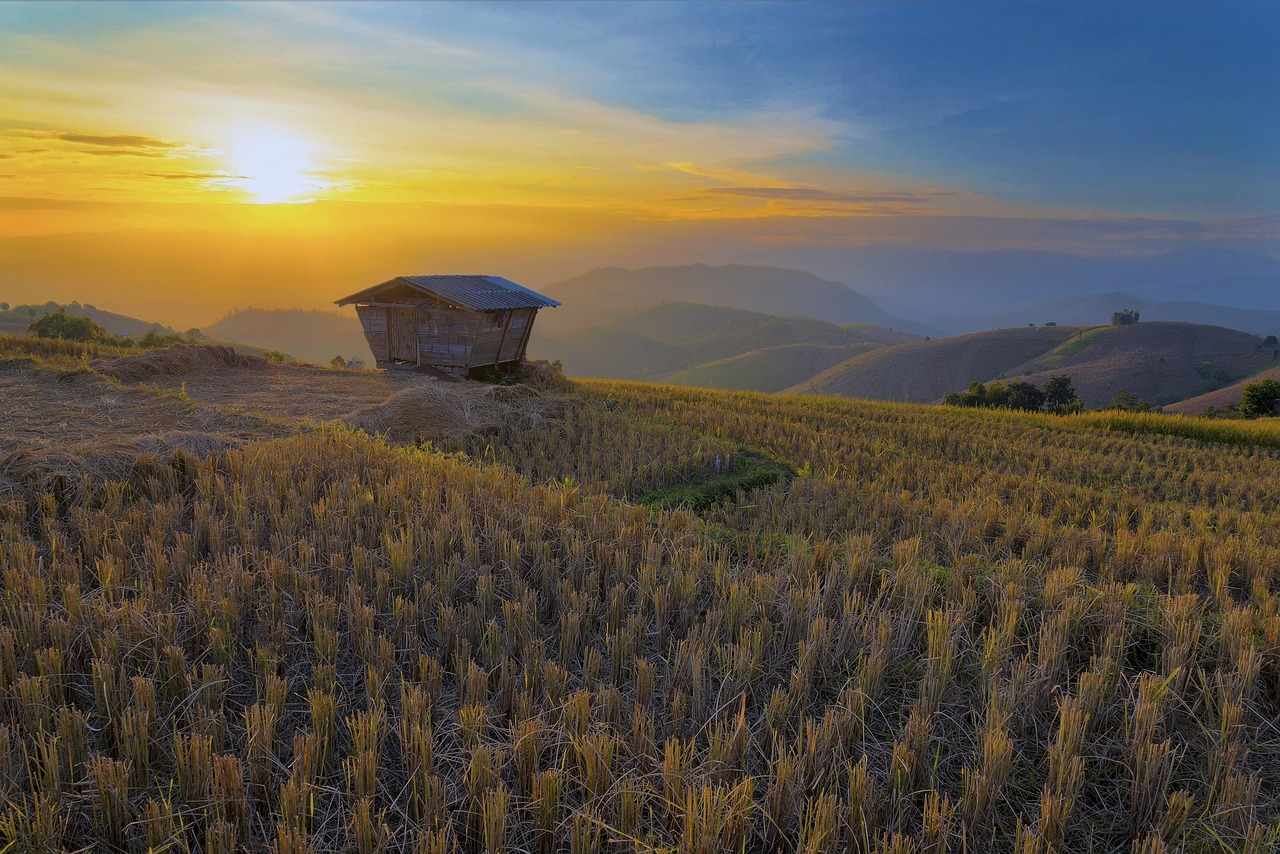
The mountain that defines Chiang Mai’s skyline offers multiple experiences depending on how you approach it. The famous temple Wat Phra That Doi Suthep sits near the summit, accessible by a winding road that becomes a Saturday morning cycling challenge for fitness enthusiasts. Below the temple, Doi Suthep-Pui National Park contains waterfalls, hiking trails, and Hmong villages. Teachers living on the western edge of the city can be hiking in genuine forest within a short drive of leaving home.
Beyond the City
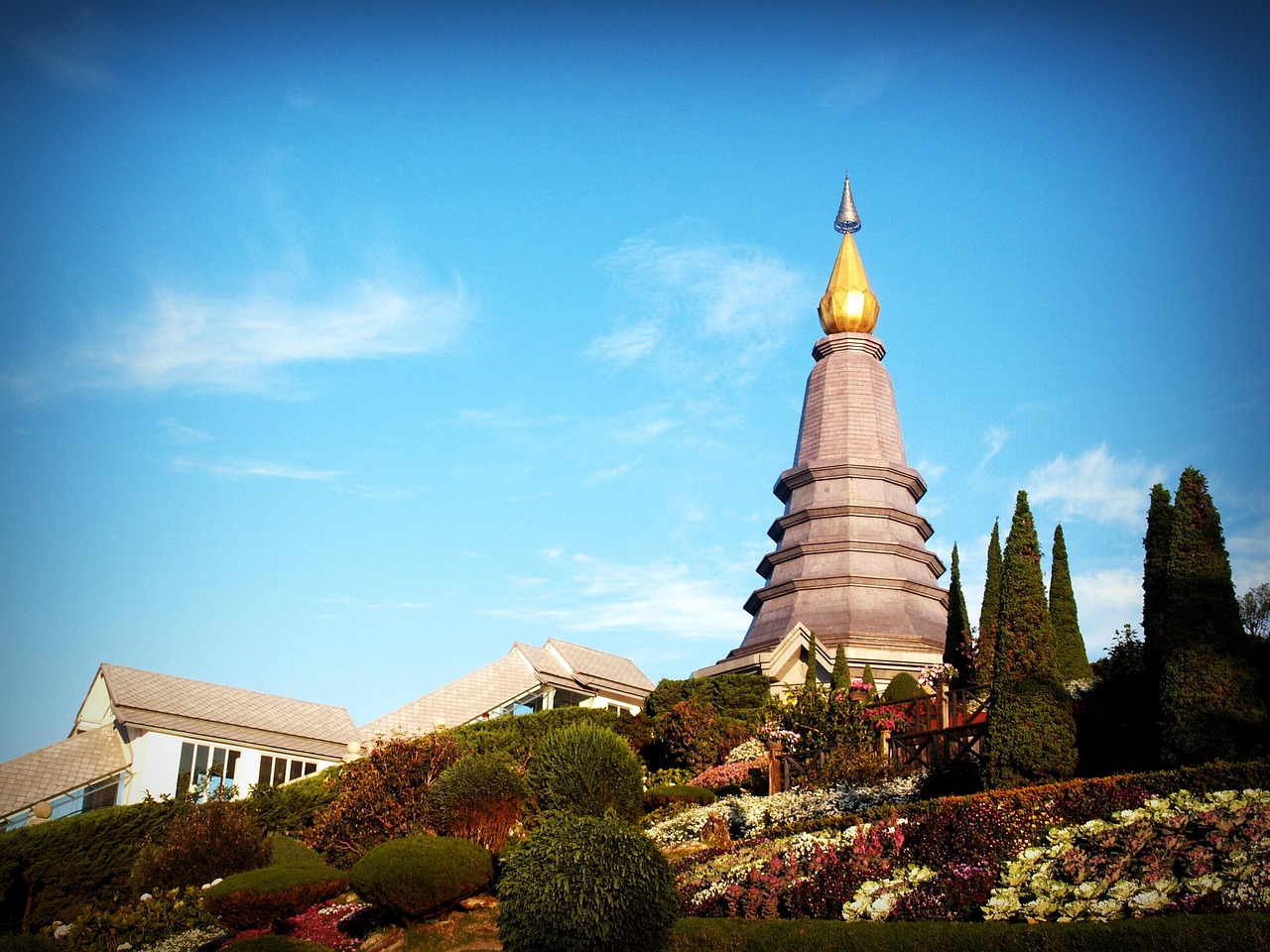
Within a couple of hours of Chiang Mai, the options multiply. Doi Inthanon—Thailand’s highest peak—makes a perfect day trip with its cool climate, cloud forests, and stunning twin chedis. The Mae Sa valley north of the city contains waterfalls, botanical gardens, and elephant sanctuaries (choose ethical ones that prioritize animal welfare over tourist activities). Chiang Dao, roughly an hour and a half north, offers dramatic limestone caves and some of the best hiking in northern Thailand.
Weekend trips to Pai, Chiang Rai, or even across the border to Laos become routine rather than major expeditions. The domestic airport connects to Bangkok, the islands, and increasingly to international destinations. Living in Chiang Mai doesn’t mean staying in Chiang Mai.
The Chiang Mai Teacher Community
Teaching in Chiang Mai means joining a community that already exists and welcomes newcomers.
A Community That Already Exists
The Facebook group “Chiang Mai Teachers Network” has thousands of members sharing job listings, housing tips, and social events. Post “New teacher, who wants to get coffee?” and you’ll have responses within hours.
Unlike Bangkok’s sprawl, Chiang Mai’s compact size means you’ll keep encountering the same people until acquaintances become friends. The teacher who sat next to you at orientation appears at your gym, then at the same café, then at a friend’s birthday party.
Community builds naturally here. You don’t have to force it.
Our program includes introductions to the existing teacher community—so you’re not starting from zero when you arrive. Learn more about our support →
Learning from Those Who Stayed
Chiang Mai’s teacher community includes both newcomers and veterans who’ve taught here for years. This mix means newcomers have access to accumulated wisdom about schools, neighborhoods, visa processes, and the thousand small details that make life easier. The teachers who stayed can tell you which schools treat staff well, which landlords to avoid, and where to find the best som tam in your neighborhood.
What Teachers Find Challenging
Burning Season
This is the reality check every honest guide must include. Generally from around mid-January through mid-April, with the worst period often in March, agricultural burning in the surrounding hills combines with geographical factors to create serious air pollution. Smoke can appear as early as January, though it usually intensifies in February and peaks in March. On bad days, the mountains disappear behind haze. AQI readings spike into unhealthy ranges. During severe years, Chiang Mai has ranked among the world’s most polluted cities during peak burning season.
Long-term residents cope in various ways: investing in air purifiers for their apartments, planning travel during the worst weeks (especially March), or accepting it as the trade-off for the other months of the year. Some teachers specifically avoid Chiang Mai contracts that span this period. It’s a genuine downside that deserves honest mention—the severity varies year to year, but it’s always present to some degree.
Narrower Options Than Bangkok
Chiang Mai has plenty of teaching jobs, but the variety is smaller. Fewer international schools. Limited corporate training work.
If your first school doesn’t work out, you can usually find something else—but with less flexibility than the capital offers. Teachers who prioritize career mobility often find Bangkok’s market more forgiving.
Small City Dynamics
The community that feels welcoming in month three can feel claustrophobic in year two. Everyone knows everyone’s business. Professional and social networks overlap extensively. Some people thrive in this environment; others feel the need to escape to Bangkok’s anonymity periodically. Know yourself before committing.
Who Chiang Mai Is (and Isn’t) For
Chiang Mai might be right for you if you:
- Want a creative, international community without Bangkok’s intensity
- Care about work-life balance—afternoons and weekends that genuinely belong to you
- Love mountains and nature accessible within minutes, not hours
- Appreciate café culture, art scenes, and spaces designed for thinking
- Want to save money while still living well
Chiang Mai probably isn’t for you if you:
- Have respiratory sensitivities—burning season (typically worst around February to April, though timing varies by year) is a serious consideration
- Need maximum career options and the flexibility to switch schools easily
- Prefer beach access over mountains
- Want genuine anonymity—the community here is small enough that you’ll be known
- Get restless in places where expats congregate—this is a popular destination
Ready to Find Your Place in Chiang Mai?
Chiang Mai has a way of making people stay longer than they planned. The combination of affordability, creative energy, natural beauty, and genuine community creates something hard to find elsewhere—a place where teaching abroad becomes a life, not just an experience.
If the idea of mountains, markets, and a welcoming creative community sounds like what you’ve been looking for, we can help you find your place here. No pressure, no overselling—just honest information from people who know this city.
Questions? Email us at info@workandtravelasia.org
We respond within 24 hours.

